-1_edited.png)
What is Shockwave Therapy? How It Works, SoftWave Therapy vs Shockwave Therapy, Cost & Side Effects

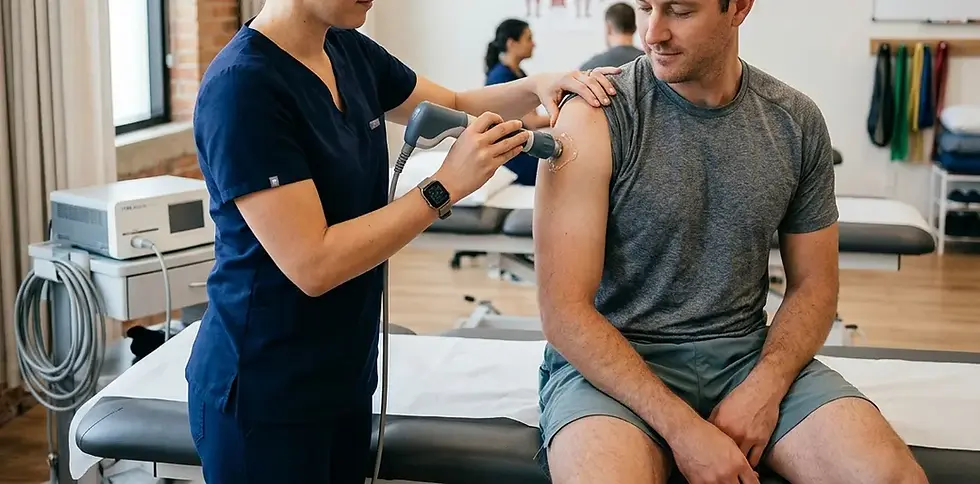
Living with chronic pain can make even simple daily tasks feel exhausting. Many people dealing with tendon injuries, heel pain, muscle tightness, or sports injuries are now exploring non-surgical treatment options that encourage natural healing. One treatment that has become increasingly popular is what is shockwave therapy, and how it may help reduce pain without surgery or medication dependence.
This Blog explains what shockwave therapy is, how it works, its benefits, possible side effects, treatment costs, and the differences between SoftWave therapy and traditional shockwave treatment.
What Is Shockwave Therapy?
What is shockwave therapy? It is a non-invasive medical treatment that uses acoustic sound waves to stimulate healing in injured tissues. The therapy delivers controlled pulses of energy into affected muscles, tendons, ligaments, or joints to improve circulation and encourage the body’s natural repair process.
Healthcare providers commonly use shockwave treatment for chronic pain conditions that have not improved with rest, stretching, medication, or physical therapy.
Unlike surgery, shockwave therapy does not require incisions, anaesthesia, or long recovery periods. Most patients can return to normal activities shortly after treatment.
How Shockwave Therapy Works
Understanding how shockwave therapy works can help patients feel more confident before starting treatment.
The therapy device sends high-energy acoustic waves into damaged tissues. These waves help by:
Increasing blood circulation
Stimulating collagen production
Breaking down scar tissue or calcifications
Reducing inflammation
Activating the body’s healing response
The repeated pulses create microscopic healing responses in the tissue, encouraging regeneration over time.
Many clinics use either radial or focused shockwave therapy, depending on the condition being treated. Some providers also offer shockwave therapy for pain relief in combination with rehabilitation exercises.
Most treatment sessions last about 15–30 minutes.
Conditions Treated With Shockwave Therapy
Doctors and chiropractors often recommend shockwave therapy for musculoskeletal conditions involving chronic pain or soft tissue injuries.
Common conditions include:
Plantar fasciitis
Tennis elbow
Golfer’s elbow
Achilles tendinitis
Shoulder calcifications
Patellar tendinitis
Hip pain
Muscle tightness
Sports injuries
Chronic neck or back pain
Many patients seek shockwave therapy for plantar fasciitis because heel pain can become difficult to manage with stretching alone.
Others choose shockwave therapy for tendinitis when inflammation continues despite rest and therapy.
Benefits of Shockwave Therapy
One reason this treatment has become so popular is the wide range of potential benefits.
1. Non-Surgical Treatment
Shockwave therapy provides a non-invasive option for people wanting to avoid surgery or injections.
2. Faster Healing Support
The acoustic waves help stimulate blood flow and tissue regeneration, which may support faster recovery.
3. Reduced Pain
Many patients report noticeable improvement after several sessions of shockwave therapy for chronic pain.
4. Minimal Downtime
Unlike surgical procedures, most individuals can return to work or daily activities immediately after treatment.
5. Drug-Free Pain Management
People looking for alternatives to long-term pain medication may benefit from shockwave treatment.
6. Improved Mobility
Reduced inflammation and better tissue healing may help improve movement and flexibility over time.
Focused Shockwave Therapy vs Radial Shockwave Therapy
There are different types of shockwave therapy devices used in clinical settings.
Focused Shockwave Therapy
Focused shockwave therapy delivers concentrated energy deeper into tissues. It is often used for chronic tendon injuries or deeper musculoskeletal problems.
Benefits may include:
Greater tissue penetration
Precise targeting
Stronger energy delivery
Effective treatment for stubborn injuries
Radial Shockwave Therapy
Radial therapy spreads energy over a broader surface area and is usually used for more superficial conditions. Both methods can be effective depending on the diagnosis and treatment goals.
SoftWave Therapy vs Shockwave Therapy
Many patients ask about shockwave therapy vs softwave therapy because the names sound similar.
Although both treatments use acoustic energy, there are differences in technology and delivery methods.
SoftWave Therapy
SoftWave therapy uses broad-focused electrohydraulic waves designed to stimulate healing while covering larger treatment areas.
Supporters claim it may:
Promote stem cell activation
Encourage tissue regeneration
Provide gentler treatment experiences
Traditional Shockwave Therapy
Traditional shockwave therapy often uses focused or radial acoustic waves aimed at specific tissues and injuries.
It is commonly used for:
Tendinitis
Plantar fasciitis
Sports injuries
Chronic pain conditions
When comparing shockwave therapy vs softwave therapy, the best option often depends on the patient’s condition, pain level, and provider recommendation.
Shockwave Therapy Cost
One of the most common questions patients ask is about shockwave therapy cost.
The price can vary depending on:
Clinic location
Provider experience
Number of sessions needed
Type of device used
Severity of the condition
In the United States, the average shockwave therapy cost may range from $100 to $500 per session.
Some patients need only a few sessions, while chronic conditions may require multiple treatments for optimal results.
Insurance coverage varies. Some plans may not cover shockwave treatment, especially if considered elective or experimental.
Patients should always discuss pricing and treatment plans during consultation appointments.
Shockwave Therapy Side Effects
Although generally considered safe, there are possible shockwave therapy side effects patients should understand before treatment.
Common mild side effects may include:
Temporary soreness
Redness
Swelling
Bruising
Tingling sensations
These effects are usually temporary and improve within a few days.
Serious complications are rare when treatment is performed by qualified professionals.
Patients with blood-clotting disorders, active infections, pregnancy, or certain nerve conditions may not be suitable candidates for shockwave therapy.
What to Expect During Treatment
A typical shockwave therapy session begins with an evaluation of the painful area.
During treatment:
Gel is applied to the skin.
The device delivers acoustic pulses.
Patients may feel tapping sensations or mild discomfort.
Sessions usually last under 30 minutes.
Most providers recommend several sessions spaced over a few weeks.
Results may improve gradually as the body continues healing after treatment.
Is Shockwave Therapy Worth It?
For many patients dealing with chronic pain, shockwave therapy for pain relief can provide a valuable alternative to surgery or long-term medication use.
The treatment may be especially beneficial for people who:
Have chronic tendon pain
Want non-surgical treatment
Need faster recovery support
Have not responded to conservative care
While results vary from person to person, many individuals report better mobility, reduced pain, and improved quality of life after completing treatment.
Consulting with an experienced healthcare provider is the best way to determine whether shockwave therapy is appropriate for your condition.
Contact Us: Brain Repair Store
FAQs
How does shockwave therapy work?
It uses acoustic sound waves to stimulate circulation, tissue repair, and natural healing in injured areas.
Is shockwave therapy painful?
Some patients experience mild discomfort during treatment, but sessions are generally well-tolerated.
What is the difference between shockwave therapy and softwave therapy?
SoftWave therapy uses broad-focused electrohydraulic waves, while traditional shockwave therapy typically uses focused or radial acoustic waves for targeted treatment.
How many sessions of shockwave therapy are needed?
Most patients require 3–6 sessions, depending on the condition and severity of
symptoms.
What conditions can shockwave therapy treat?
It is commonly used for plantar fasciitis, tendinitis, tennis elbow, Achilles pain, shoulder pain, and chronic musculoskeletal injuries.



Comments